Wartburg's Bechtel, students chosen to work with NASA researcher
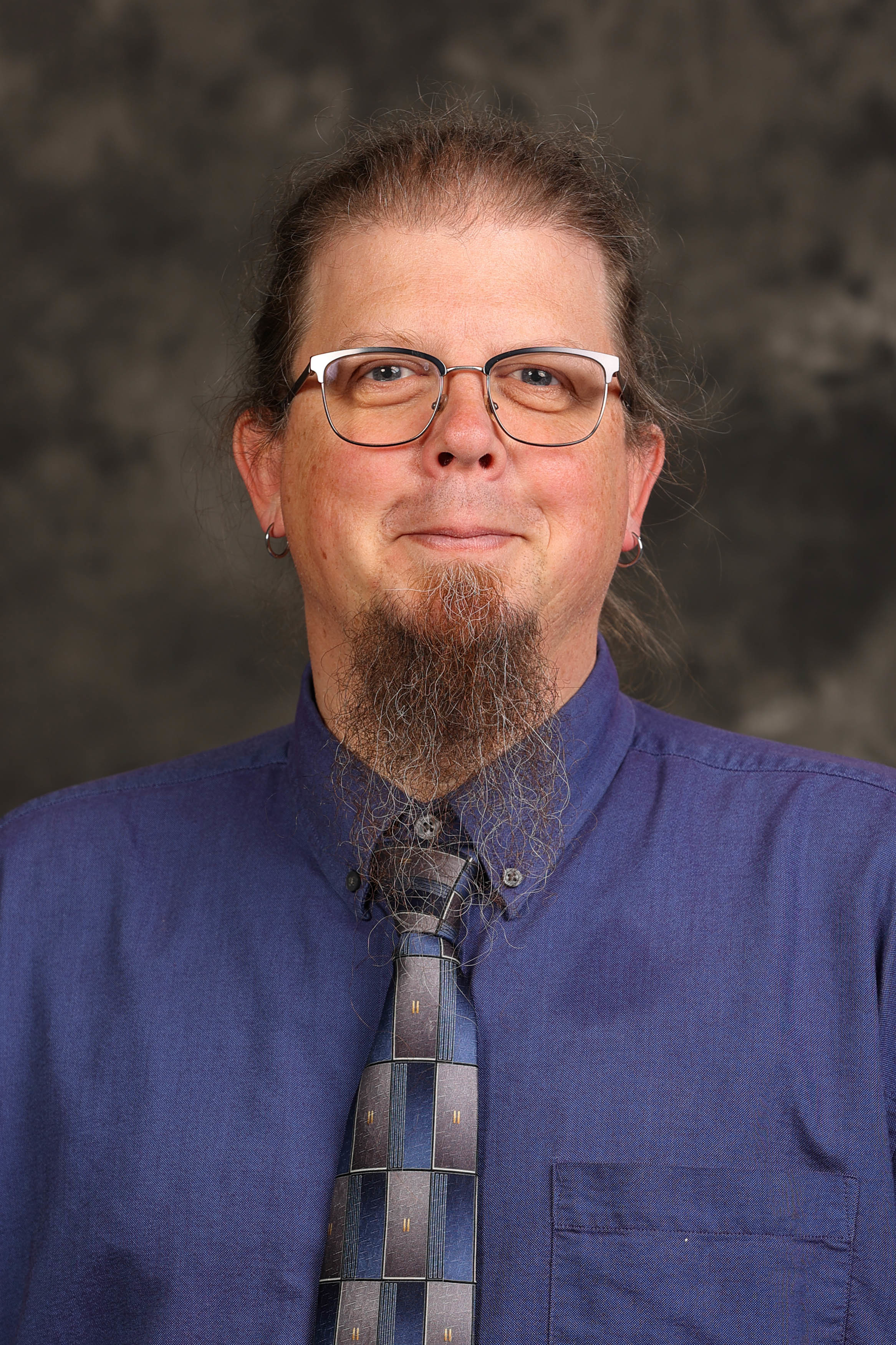
Waverly, IA (01/22/2026) — Wartburg College professor Michael Bechtel was once again among an elite group of educators selected to partner with a research astronomer to conduct a yearlong research project as part of the NASA/IPAC Teacher Archive Research Program.
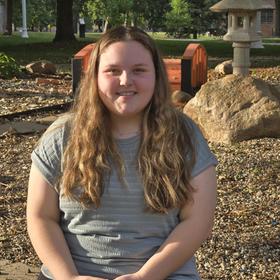
Bechtel, who was first selected for this honor in 2019, will work with program director and researcher Luisa Rebull and educators from New Hampshire, Texas, Oregon, Pennsylvania and Wisconsin. Wartburg students Ashlyn Scharr, Abra Freeman and Angela Bettess will join him on the project.
"Our group will be looking at moving groups of suns within different nebulae using SPHEREx data," said Bechtel, whose 2019 project was on the identification of young stellar objects in the Lagoon nebula. "This will be a long process. First, we will have to build up our knowledge about stellar objects, nebulas and binary systems so we can understand what we are looking at."
This summer, the team will travel to NASA's Jet Propulsion Lab in Pasadena, Calif., for a week of training and learning. Upon their return, the real work will begin as they sift through thousands of photos of globular clusters in search of new suns. Their goal will be to create curriculum that incorporates what is necessary to carry out a research project cataloging objects from moving groups.
Researchers also will have access to archival data from the Spitzer Space Telescope, the NASA/IPAC Extragalactic Database, the NASA Exoplanet Archive, the NASA/IPAC Infrared Science Archive and other NASA archive holdings.
Though the students are elementary education majors, they are each excited for the opportunity to work with NASA researchers and other teachers to learn something new.
"This is a great opportunity for all of us to become more well-rounded educators," said Scharr, who will graduate with a science endorsement. "It's good for us to know at least a little about multiple sciences so that we can help our students cultivate their interests in different areas."
Freeman is ready to inspire the next generation of learners, much in the same way she was inspired.
"I've always been fascinated with space. I remember going outside with my dad, and we would watch a meteor shower or pick out constellations. That's how we bonded and having this opportunity means so much to me," she said.
Bettess said this opportunity was especially interesting to her, in part, because she is from California.
"I hope to teach in California after I graduate, so I'm excited to meet some new people and be able to learn from them. As someone in education, this isn't an opportunity you come by often, especially once you are out and working, so I knew I needed to take advantage of the opportunity to learn something new that will help me engage my students in science."
The team will present their findings at the 2027 American Astronomical Society meeting next year in Salt Lake City, and the curriculum they develop will be shared with educators worldwide.
Media Attachments